Ring in the New Year with the “Champagne Cluster,” a distant galaxy cluster featured in a new image that combines data from NASA’s Chandra X-ray Observatory and optical telescopes.
Astronomers first identified this galaxy cluster on Dec. 31,…
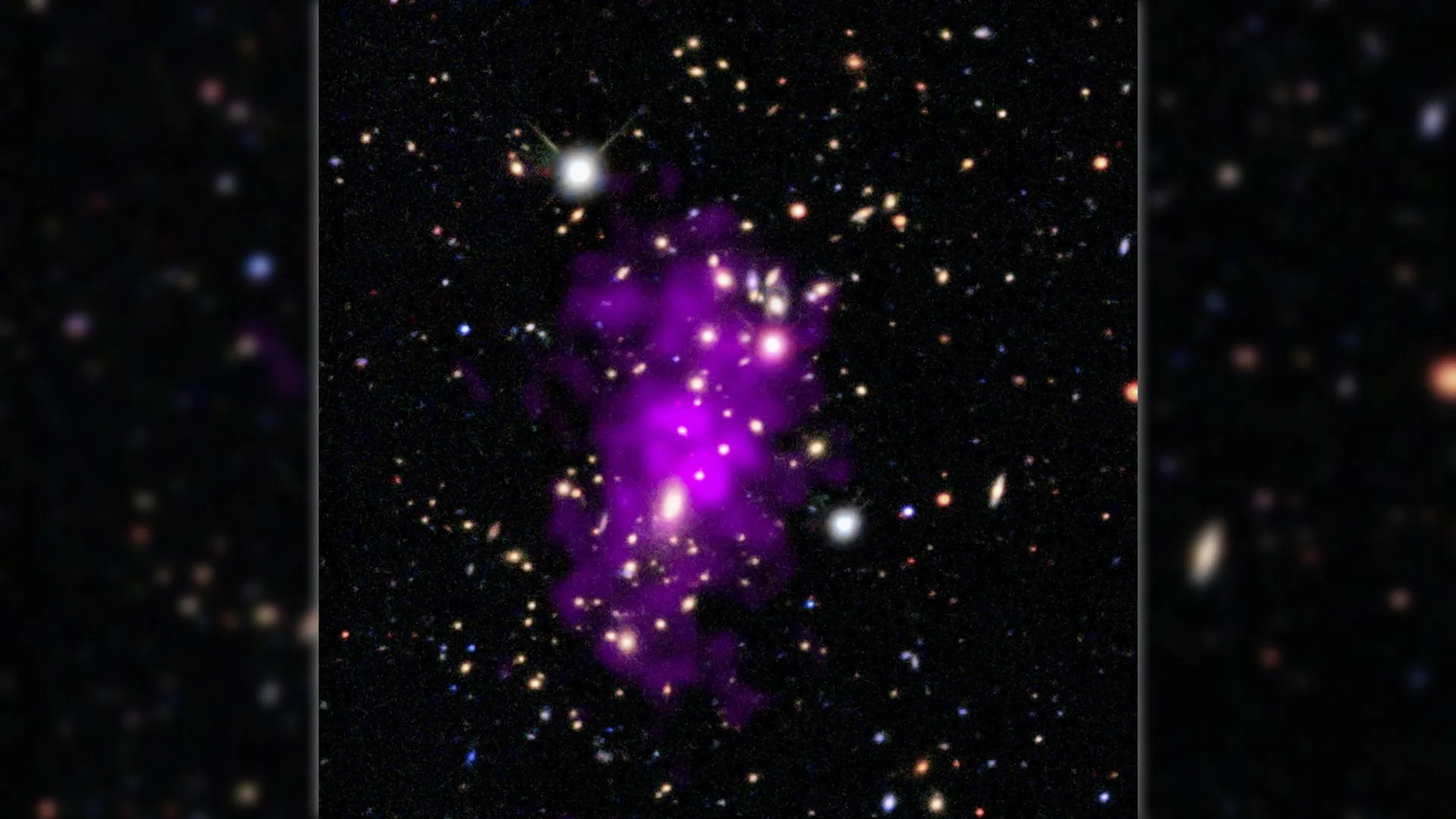
Ring in the New Year with the “Champagne Cluster,” a distant galaxy cluster featured in a new image that combines data from NASA’s Chandra X-ray Observatory and optical telescopes.
Astronomers first identified this galaxy cluster on Dec. 31,…
Ring in the New Year with the “Champagne Cluster,” a distant galaxy cluster featured in a new image that combines data from NASA’s Chandra X-ray Observatory and optical telescopes.
Astronomers first identified this galaxy cluster on Dec. 31,…

Colorado color-shifting animals face risks | The Jerusalem PostJerusalem Post/Environment & Climate ChangeFour of them live in Colorado: snowshoe hares, white-tailed ptarmigan, short-tailed weasels and long-tailed weasels.A white-tailed ptarmigan…
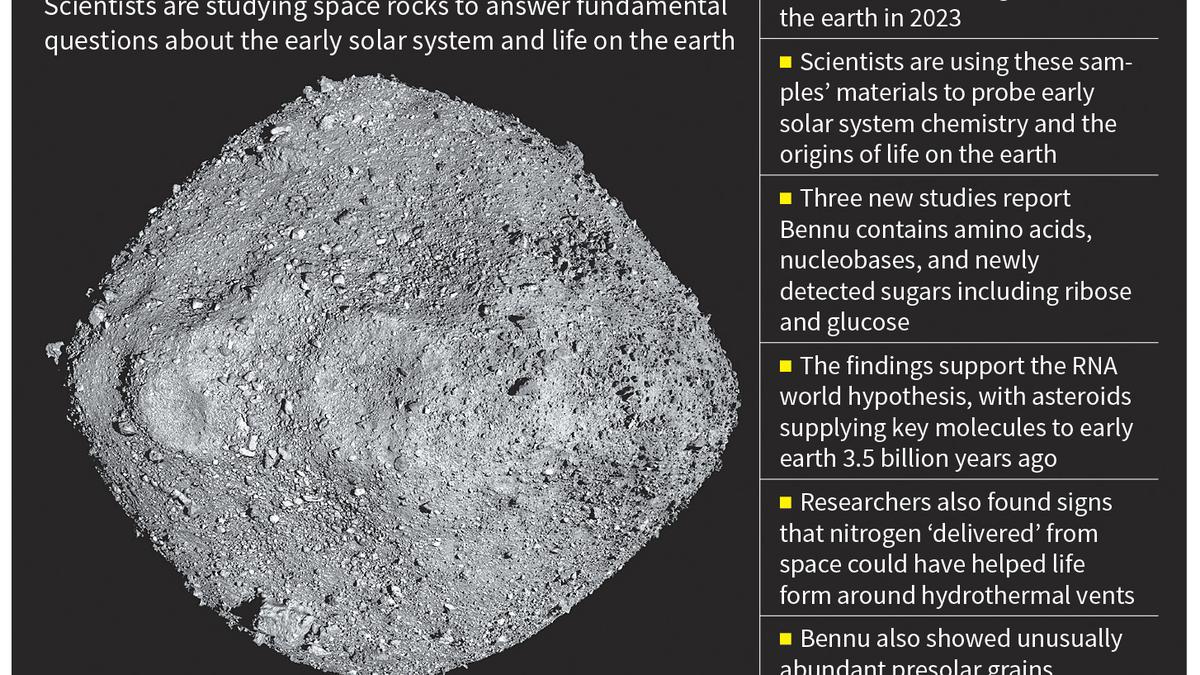
In October 2020, when the world was beginning to come out of a global lockdown, a spacecraft more than 3 lakh km away performed a pogo-stick jump on a small asteroid called Bennu and collected samples of its surface.
The craft, part of NASA’s…