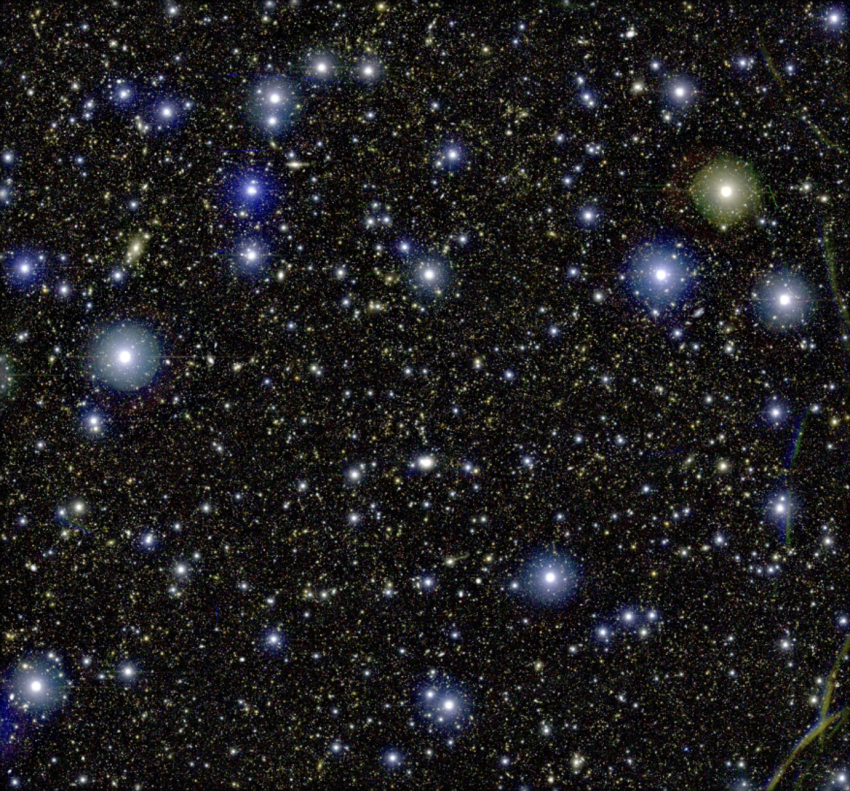
The evolution of each individual galaxy is shaped by its surroundings, according to new research. The Deep Extragalactic Visible Legacy Survey (DEVILS), an endeavour of ICRAR and the University of Western Australia, has released its…
Category: 9. Sci-Tech
-

Baikonur launch pad damaged after Russian Soyuz launch to International Space Station
MOSCOW, Nov 27 (Reuters) – A Russian Soyuz MS-28 spacecraft with two Russian cosmonauts and one NASA astronaut on board successfully docked with the International Space Station on Thursday, Russian space agency Roscosmos said.
But the agency later…
Continue Reading
-

The evolutionary history of kissing, moss in space, and the origins of the moon : NPR
SCOTT DETROW, HOST:
It is time now for our science news roundup from Short Wave, NPR’s science podcast. And I am joined, as always, by the show’s two hosts, Regina Barber…
REGINA BARBER, BYLINE: Woo (ph).
DETROW: …And…
Continue Reading
-

Stunning new picture of cosmic butterfly captured by telescope in Chile
The National Science Foundation’s NoirLab released the picture.
Snapped last month by the Gemini South telescope, the aptly named Butterfly Nebula is 2,500 to 3,800 light-years away in the constellation Scorpius.
We are celebrating @Geminiobs…
Continue Reading
-
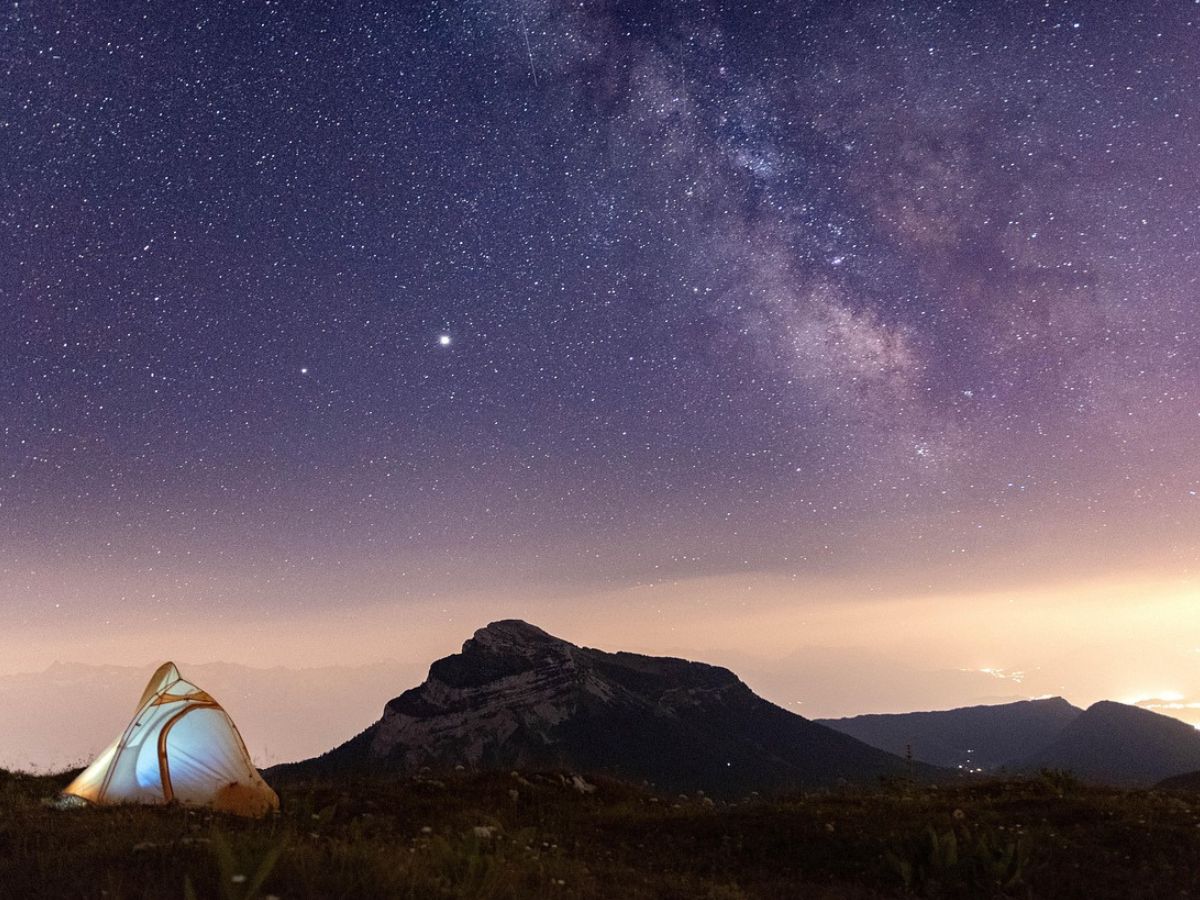
A photographer captures a rare giant red halo over the Italian Alps
Image showing the night sky with many stars and mountains. (Image source: Baptiste_lheurette – Pixabay) Continue Reading
-

Space travel pushes human stem cells into accelerated aging
Space scientists report that spending time in microgravity makes certain blood-forming stem cells in humans act “old” in a much faster timeframe than they should.
In a recent study, human bone marrow cells spent 32 to 45 days aboard the
Continue Reading
-

Integrated Nanophotonic Platform Enables High-Sensitivity DC Magnetometry In Spin-Dense Diamond Cavities
Detecting weak magnetic fields with nanoscale precision remains a significant challenge, yet holds immense potential for applications ranging from medical diagnostics to materials science. Nicholas J. Sorensen, Elham Zohari, and Joshua S….
Continue Reading
-

Earth’s prehistoric oceans may not have been blue, claim experts
Our planet has had an ocean for around 3.8 billion years, but new research suggests it hasn’t always been blue.
Away from coastal areas, the sea today is blue because of the way water absorbs longer wavelengths of sunlight towards the red end of…
Continue Reading
-
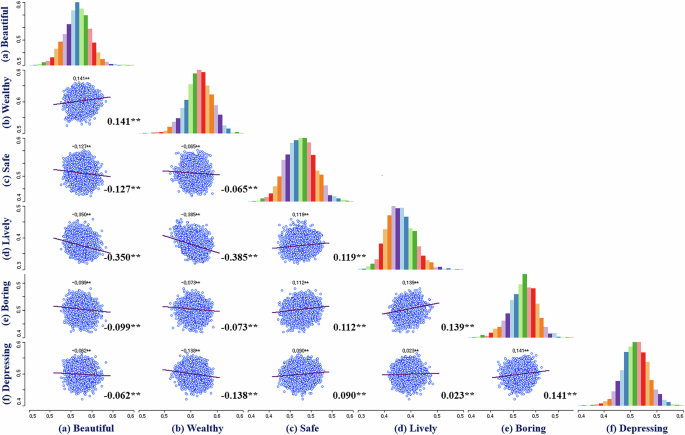
Exploring nonlinear and interactive associations between built environment features and subjective streetscape perceptions
Harvey, C. & Aultman-Hall, L. Measuring urban streetscapes for livability: a review of approaches. Prof. Geogr. 68, 149–158 (2016).
Google Scholar
Ma, X. et al. Measuring human perceptions of…
Continue Reading